Auditor-General advocates for stronger Anti-Money Laundering Frameworks
05Mar’26
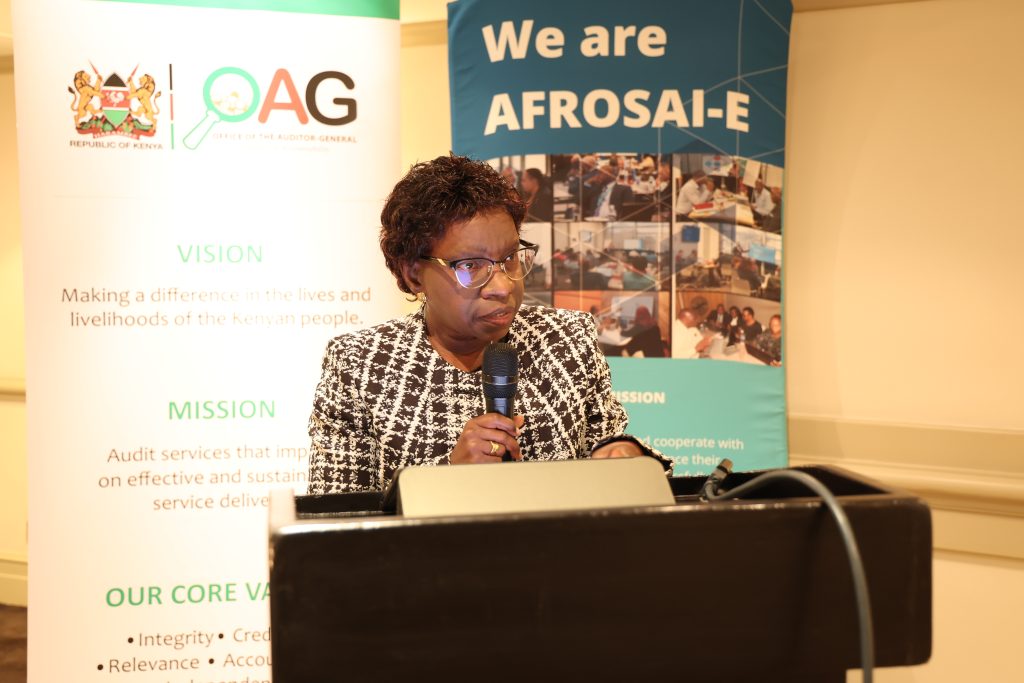
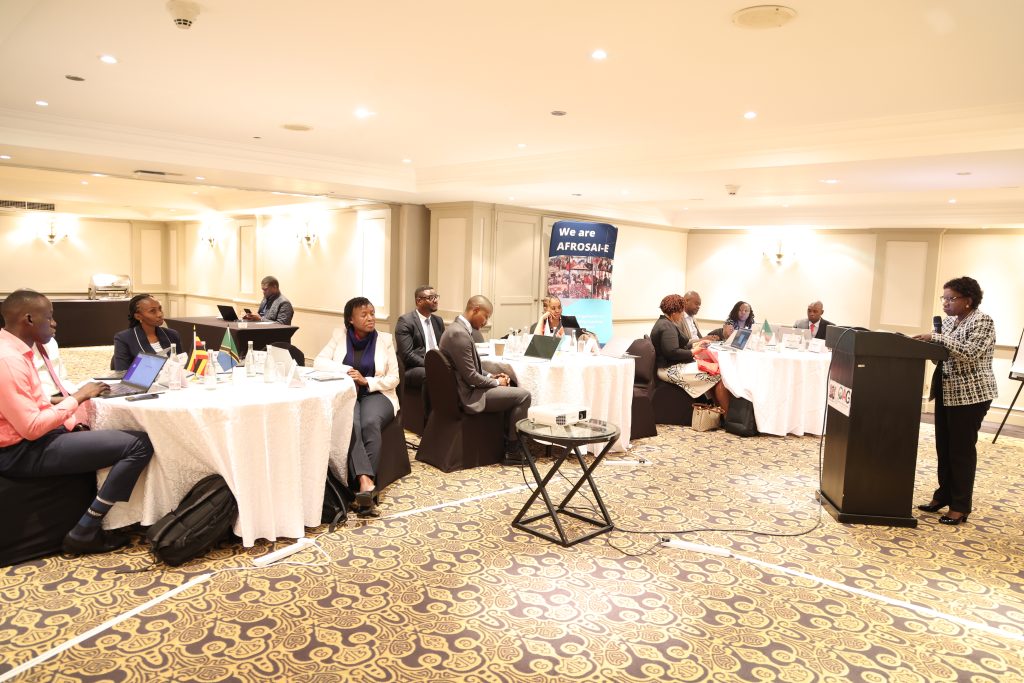
The Auditor-General Nancy Gathungu is rooting for robust Anti-Money Laundering (AML) Frameworks to safeguard financial stability, strengthen governance, and drive sustainable economic development across Africa. Speaking at the African Organisation of English-speaking Supreme Audit Institution’s (AFROSAI-E) Anti-Money Laundering Audit Guidelines Development Workshop in Nairobi, she said that AML frameworks are not just regulatory requirements but critical safeguards against financial instability and governance risks
“Robust AML frameworks are not merely regulatory obligations. They serve as essential safeguards that protect financial stability, promote good governance, and support sustainable economic development,” she said.
She pointed out that weak AML and Counter-Terrorist Financing (CFT) systems allow illicit funds to circulate freely, undermining governance, weakening financial institutions, and distorting economies. These vulnerabilities, she noted, threaten both sustainable prosperity and a nation’s ability to defend its sovereignty against financial crimes.
The Auditor-General underscored the critical role of Supreme Audit Institutions (SAIs) in protecting financial integrity. Through timely, risk-based audits, SAIs can identify systemic weaknesses early, enabling corrective measures before they escalate into economic sanctions, reputational damage, or broader financial instability.
Mr. Edmond Shoko, AFROSAI-E’s Technical Manager, said that the Guidelines are not just a tool but an investment in accountability, with ownership resting in each institution.
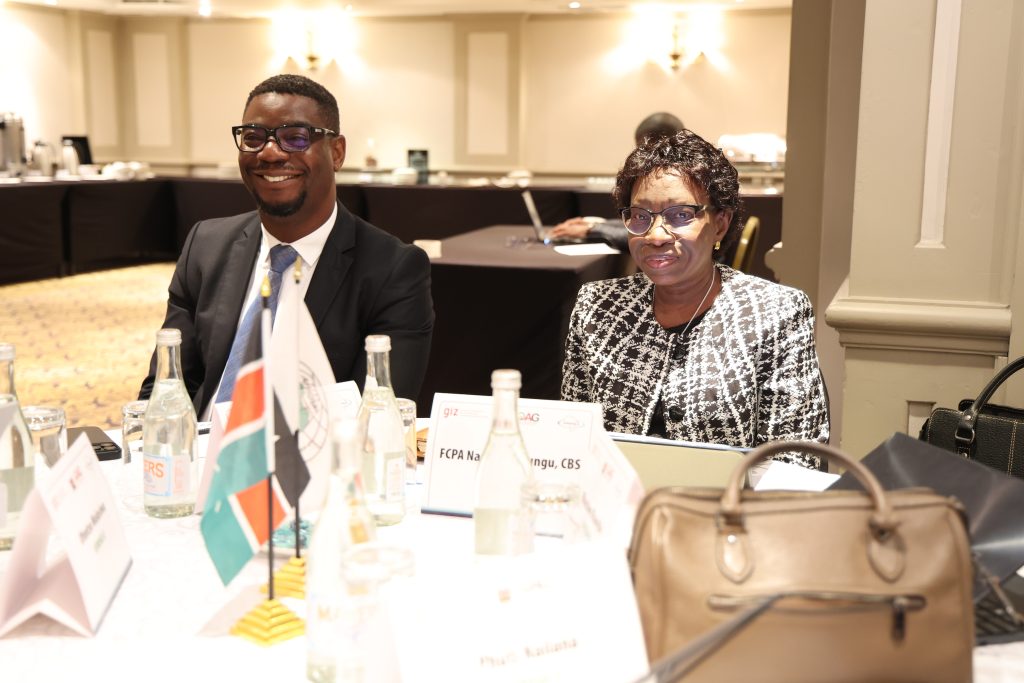
The Workshop brought together SAIs of Kenya, Zambia, Tanzania, and Uganda, alongside experts from the Deutsche Gesellschaft für Internationale Zusammenarbeit (GIZ).
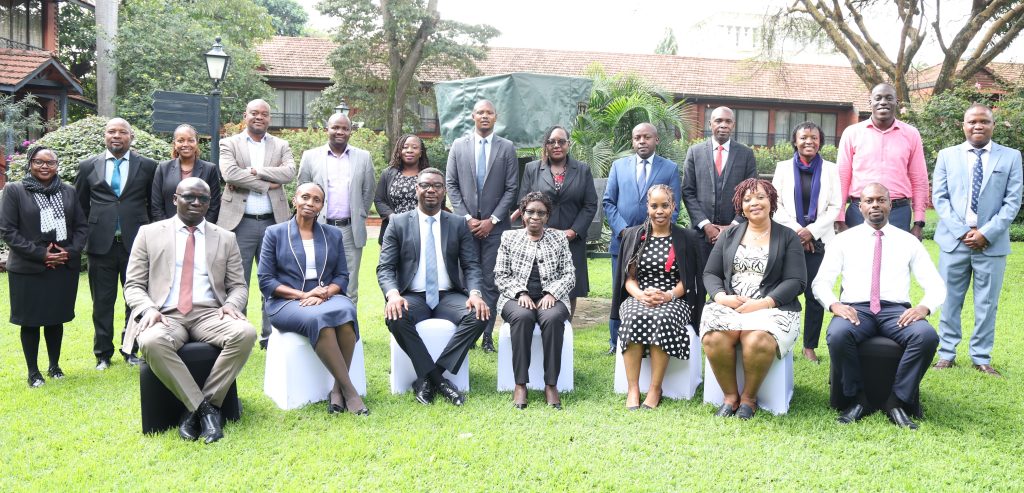
By finalizing these guidelines and agreeing on clear implementation steps, SAIs reaffirm their commitment to accountability, transparency, and regional cooperation.
As part of these initiatives, the Office recently joined a Regional Coordinated Audit on Illicit Financial Flows under the AFROSAI Regional Block. The resulting report was published and submitted to Parliament in 2025.